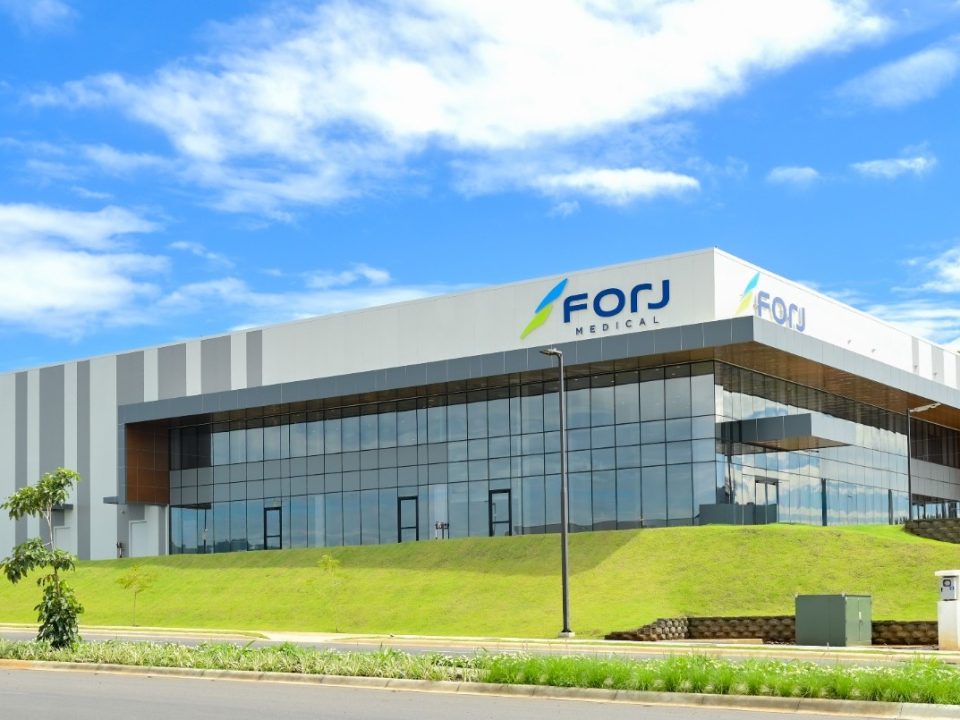
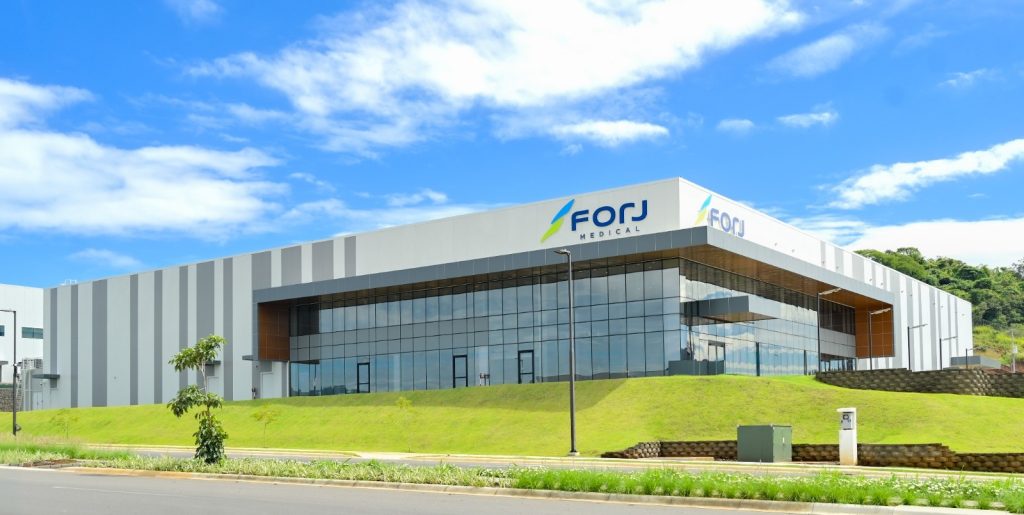
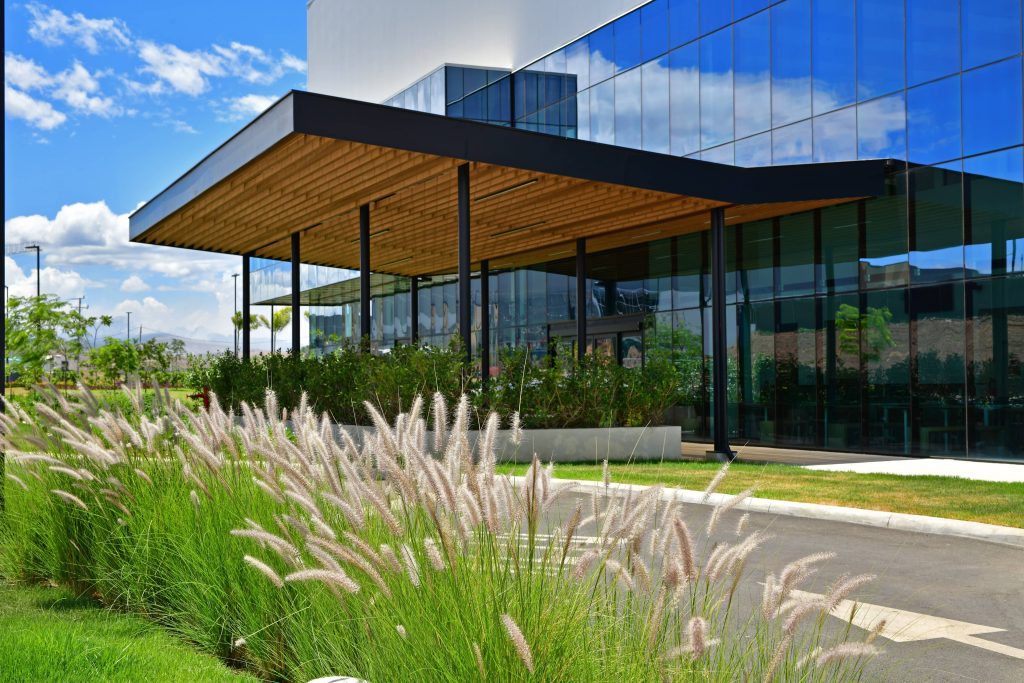
Forj Medical officially opens a new manufacturing facility in Costa Rica following a US$15 million investment
24 de September de 2026
Catalyst of Sustainable Dynamism: Leading the Next Generation of Free Trade Zones
October, 2026. In 2025, Evolution Free Zone continued to evolve as the fastest-growing Business Ecosystem in Costa Rica. During this period, the Park added 33,670 m² of new buildings, construction of Phase 2 infrastructure began, and the Business Ecosystem reached eight confirmed companies. Together, these milestones expanded our capacity while sustainability continued to guide our advancement.
This is what Catalyst of Sustainable Dynamism means at Evolution Free Zone: translating economic momentum into measurable progress for companies, people, and Costa Rica’s Western Region.
The 2025 Sustainability Management Report provides a tangible view of this progress, capturing how the Business Ecosystem continues to advance across industrial capacity, resource management, quality, talent, employment, and environmental stewardship.
Building the Foundations for Continued Expansion
Evolution Free Zone entered a new stage of development in 2025, with 33,670 m2 of new buildings constructed, which, when added to the existing ones, bring the total building footprint to 127,521 m2. During the same period, work began on Phase 2 infrastructure, which includes all the utilities needed for operation such as water, electricity, telecommunications, storm drainage systems, and streets.
Several major projects advanced throughout the year. Buildings for Trelleborg Medical Solutions, Forj Medical, Accudyn Products Inc., and Stryker were completed, while construction continued on Johnson & Johnson MedTech facility. Earthwork also began on the buildings for two more companies, Switchback Medical and Segex, which will have a building footprint of 6000 m² and 7500 m², respectively.
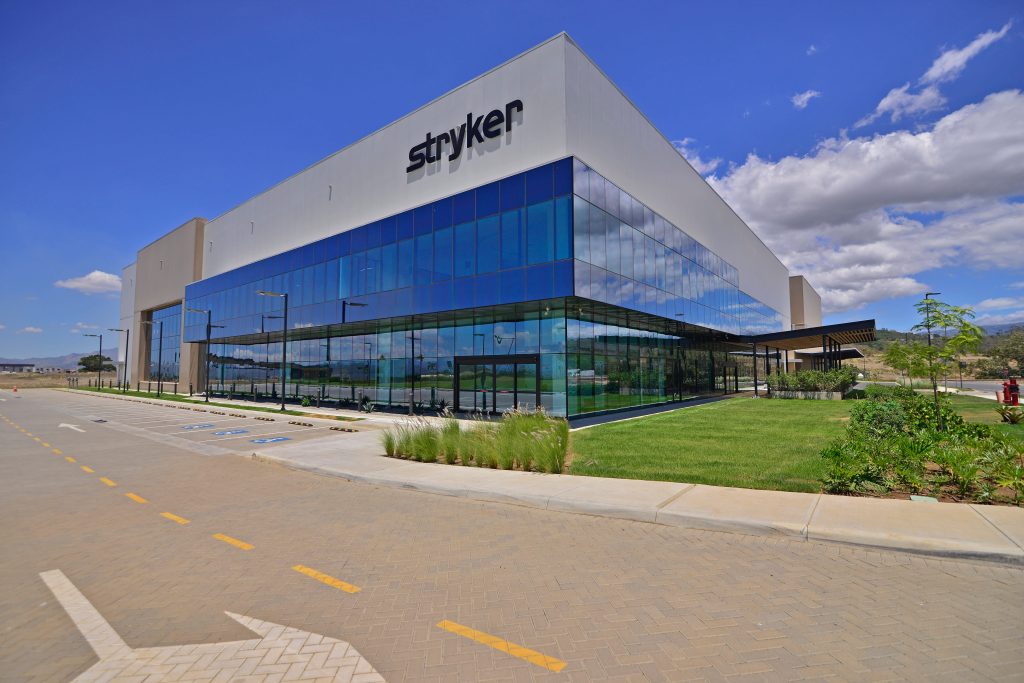
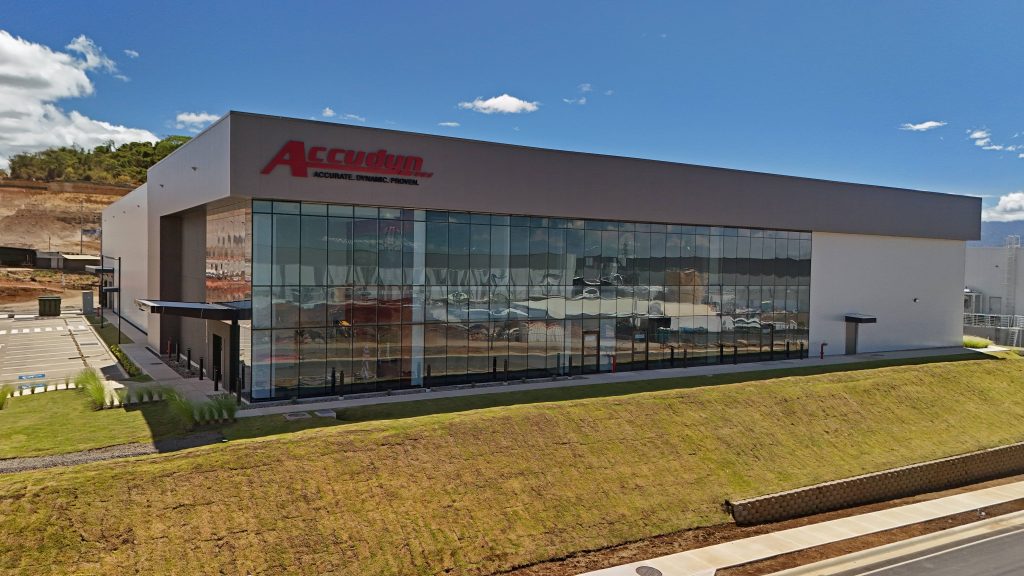
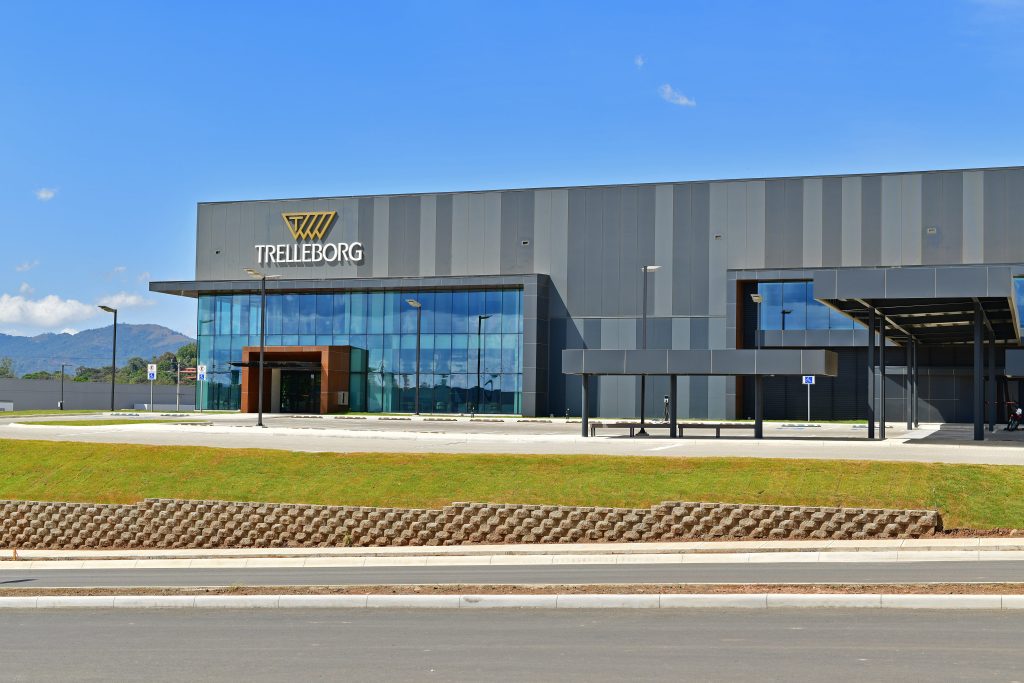
Preparing for what comes next means building the physical and operational foundations that allow companies to establish, expand, and compete in increasingly demanding industries.
Performance is also reflected in the way infrastructure is delivered. During 2025, Evolution Free Zone recorded more than 3,500 quality observations across its construction projects. These observations are part of a broader quality assurance system designed to strengthen monitoring, documentation, traceability, and continuous improvement throughout the construction process.
Resource Management Designed to Scale
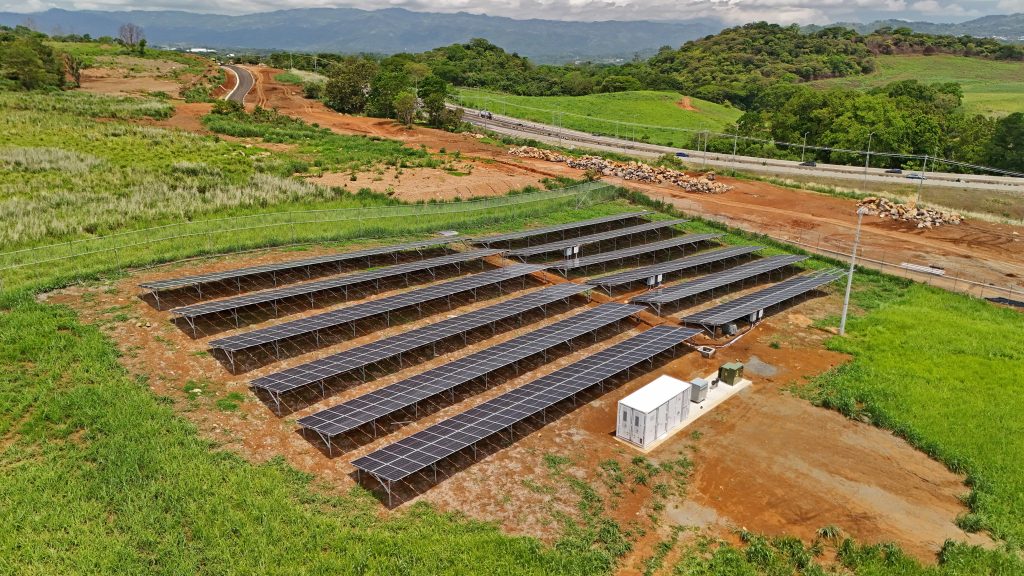
Energy management also progressed during 2025 with the start of the installation of Evolution Free Zone’s Solar Farm. The project aims to integrate renewable energy generation, battery storage, and smart energy management to support the Park‘s operations including common areas. According to the report, it will have an initial capacity of 0.5 MW, establishing a technological base to optimize energy use and contribute to the stability of the Park’s energy system, with the potential to reach up to 3 MW in a future stage.
Water management follows the same long-term approach. Evolution Free Zone’s first wastewater treatment plant began operating at the end of 2024 and treated 33,215 cubic meters of wastewater during 2025. As the Free Zone continues to grow, additional treatment facilities will begin operations to manage higher volumes generated by future activity.
Creating opportunities for talent
By January 2026, companies established at Evolution Free Zone generated 433 direct jobs, with 6,000 quality jobs to be created and the projection of 20,000 quality jobs in the coming years across operational, technical, administrative, and engineering positions. In addition, more than 2,000 people worked in construction-related positions during 2025.
For Evolution Free Zone, this is a fundamental dimension of sustainable dynamism: investment translates into specialized talent, employment, knowledge, and long-term economic opportunities for Costa Rica’s Western Region.
This becomes particularly relevant as the Park continues to support industries such as Life Sciences, Smart Manufacturing, and Semiconductors industries, where competitiveness depends on advanced infrastructure, specialized talent, and the capabilities required by increasingly sophisticated operations.
Talent development is closely connected to the expansion of the Business Ecosystem. During 2025, a letter of understanding was signed for the creation of an INA Center at Evolution Free Zone, focused on technical areas of precision mechanics. This makes it the first free trade zone in Costa Rica to have an on-site INA facility.
This connection between investment, training, and employability strengthens the conditions for companies while expanding opportunities for people across the Western Region.
Growing with the environment in mind
Environmental stewardship is an integral part of the way Evolution Free Zone is being shaped.
Once Phase 1 infrastructure was completed, Evolution Free Zone accounted for 132,408m2 of green areas, including forest protection areas, river protection areas, condominium green spaces, and recreational areas. These spaces reflect an approach to development that recognizes the value of maintaining a meaningful relationship between the built environment and the natural landscape.
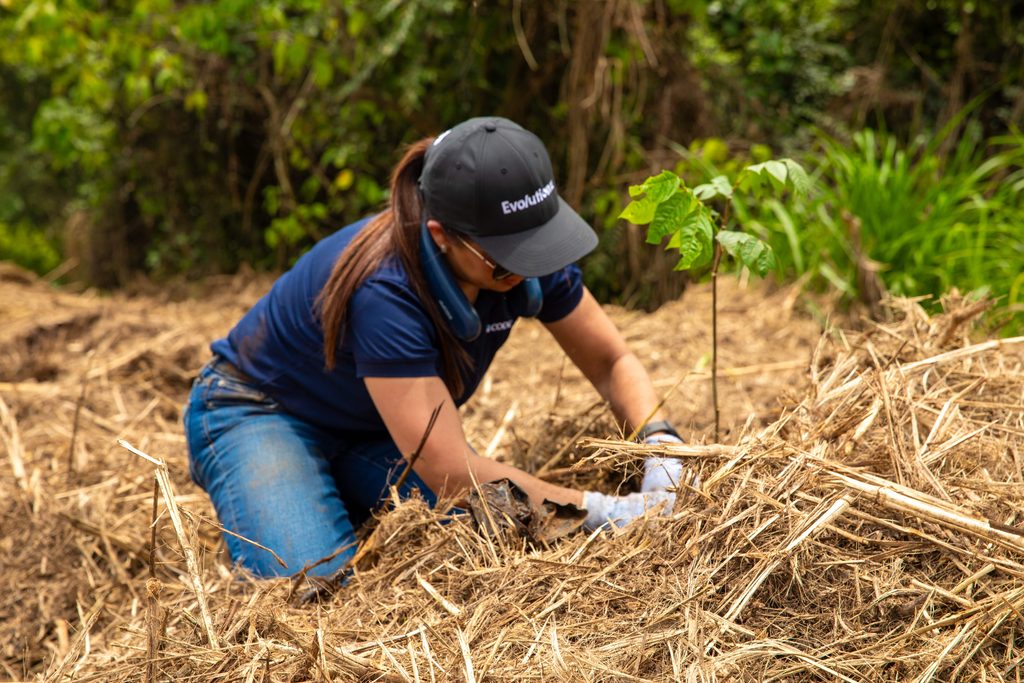
Also, Evolution Free Zone, through its annual reforestation program, organized the planting of 3,800 native trees in Chilamate of Poás. The initiative was designed to strengthen ecological connectivity between forested areas in the Western Region, supporting the continuity of biological corridors while contributing to biodiversity, soil stability, and the protection of forests and rivers.
As the fastest-growing Business Ecosystem, environmental responsibility is part of a broader vision of development—one that recognizes that long-term progress depends on how industry, people, and the surrounding environment evolve together.
This vision will continue to guide our development: creating the conditions for companies to grow, talent to advance, and new opportunities to take shape.
That is the meaning of sustainable dynamism at Evolution Free Zone: moving forward with purpose, while building an industrial ecosystem designed to create lasting opportunities for the future.
Explore the full 2025 Sustainability Management Report to learn more about the progress, milestones, and initiatives shaping Evolution Free Zone’s next stage of development.