The Strategic Advantage Behind Evolution Free Zone’s Location
14 de August de 2026
Evolution Free Zone strengthens biodiversity conservation in the Western Region through the planting of 430 native trees
24 de August de 2026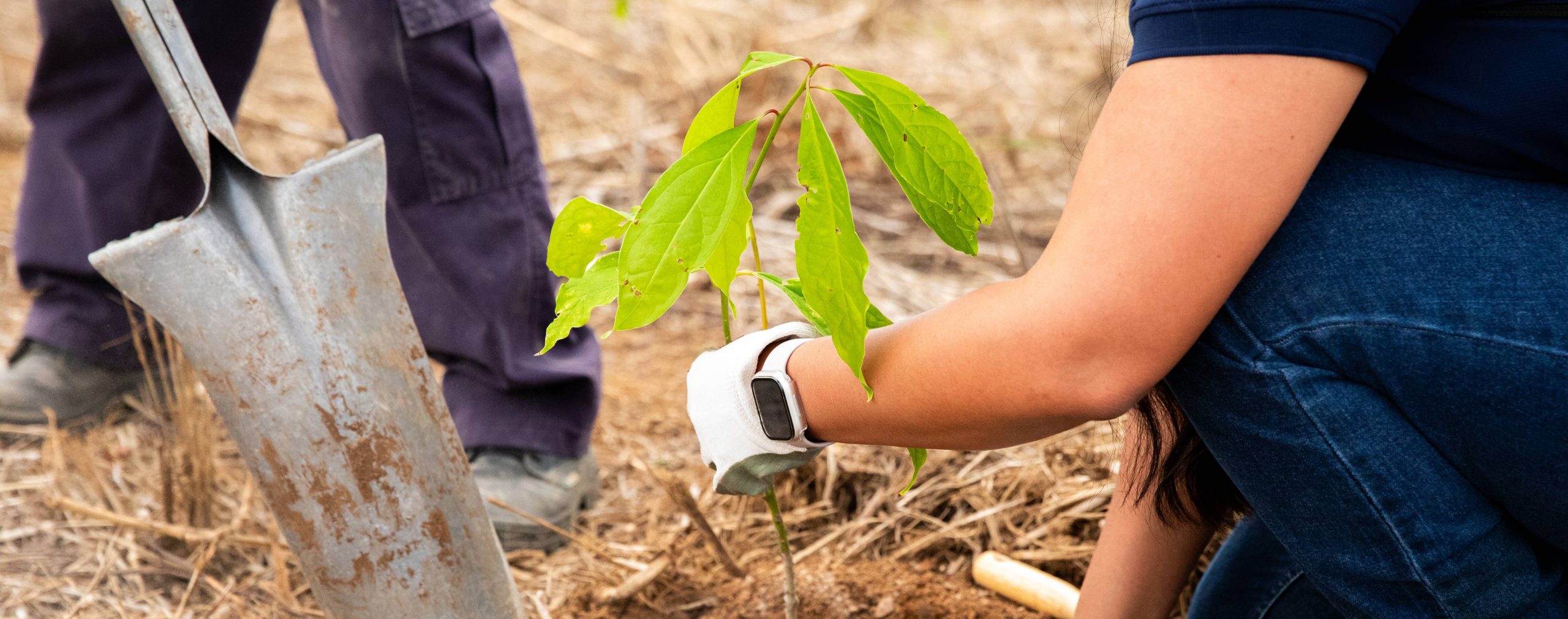
Evolution Free Zone strengthens ecological corridors through the planting of 4,320 native trees
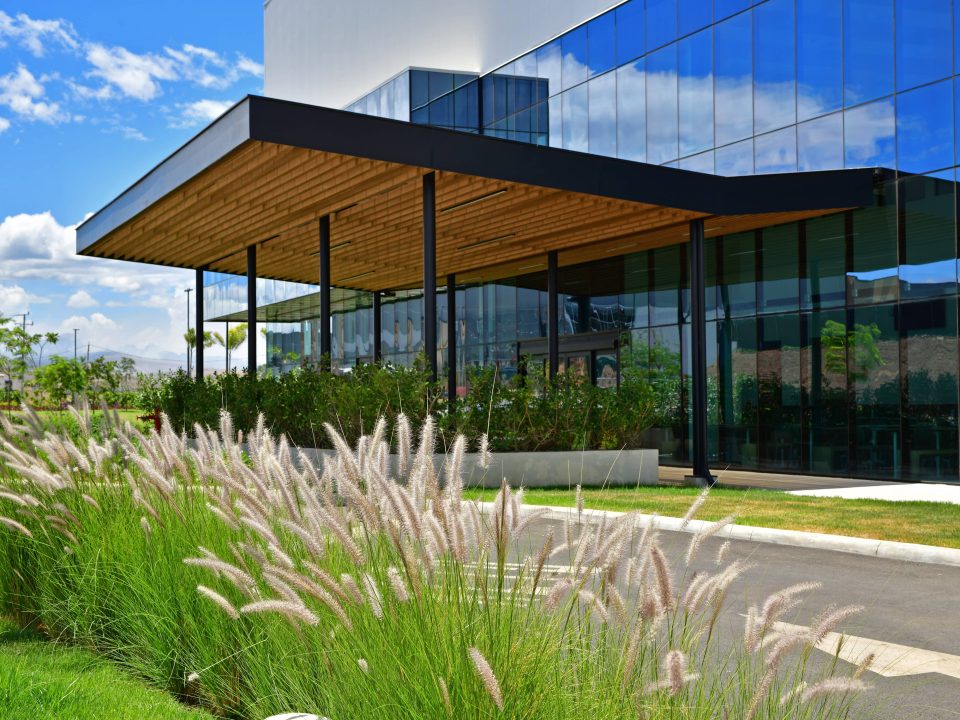
June 2026. As part of its sustainability strategy, Evolution Free Zone is advancing an ongoing tree-planting and environmental conservation program encompassing 4,320 native trees in protected forested areas, green spaces within the Park, farms and land of hydrological importance in the Western Region.
The initiative reflects a vision of sustainable development that integrates business growth with the protection of natural resources. To this end, native species were selected for their ability to support biodiversity, protect water sources, and contribute to healthier surroundings for employees, companies operating within Evolution Free Zone, and neighboring communities.
“At Evolution Free Zone, we view sustainability as a long-term commitment to the environment and the communities where we operate. Our tree-planting program reflects our belief that business development can have a positive impact on biodiversity conservation and create more resilient spaces for future generations,” said Luis Fernando Vargas, Sustainability Manager of CODE Development Group, the developer of Evolution Free Zone.
Tree planting with an impact on local biodiversity
The selected species play a key role in biodiversity conservation by providing shelter, food, nesting sites, and habitat for birds, pollinating insects, and mammals found in the region. They also strengthen ecological connectivity and support the functioning of the El Achiote Interurban Biological Corridor by facilitating wildlife movement between different ecosystems.
The tree-planting program was carried out in three phases. In 2023, 350 trees were planted; followed by 170 in 2024 and an additional 3,800 in 2025. The project includes species such as jorco, guachipelín, guaba, bitter cedar, lorito, achiotillo, chaperno, cas, vainillo, yellow bark, mamón, colpachí, sota caballo, aceituno, golden trumpet tree, acerola, yos, and jícaro.
These events brought together employees of CODE Development Group and companies operating in Evolution Free Zone, along with representatives of local governments—such as the Poás Local Government and representatives of nearby communities —Their participation through environmental volunteer programs expanded the reach of the initiative and reaffirmed a shared commitment to protecting natural resources.
The program includes ongoing watering and maintenance efforts to ensure the growth of the trees and maximize their long-term environmental benefits.
The tree cover created through this program provides benefits that go beyond ecosystem conservation. Trees help capture carbon, regulate temperature, improve air quality, and promote water infiltration into the soil-factors that benefit both the natural environment and nearby communities.
Through long-term initiatives such as this program, Evolution Free Zone reaffirms its commitment to a development model that integrates innovation, economic growth, and environmental protection, demonstrating that sustainability can serve as a driver for well-being and the conservation of natural resources.